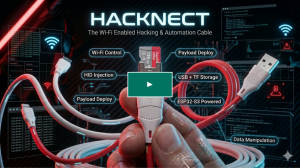
An external project is a type of project that focuses on using pre-made items, tools, or gadgets that are already designed and available on the market. Instead of building everything from scratch, these projects involve selecting, purchasing, and assembling existing components, followed by making minor adjustments or customizations to meet specific needs.
In an external project, the process typically begins with identifying a goal or function—such as improving efficiency, creating a useful setup, or demonstrating how a system works. Interns or participants then research suitable products or devices that can be used to achieve this goal. Since the items are pre-made, much of the initial development work is already completed, allowing the focus to shift toward understanding how the components operate and how they can be integrated effectively.
Once the necessary items are acquired, the project moves into the setup and configuration phase. This may involve installing software, adjusting settings, connecting devices, or modifying certain features to better suit the intended purpose. While the core functionality of the gadgets is already in place, small edits and optimizations are often needed to ensure everything works together smoothly.
Testing is still an important part of external projects. Interns evaluate how well the assembled solution performs, identify any limitations, and make adjustments where possible. However, compared to building from scratch, the testing phase is usually more focused on compatibility, usability, and performance rather than fundamental functionality.
External projects are valuable because they teach practical skills such as product evaluation, system integration, and problem-solving in real-world scenarios. They also help participants become familiar with existing technologies and tools that are commonly used in professional environments.
Overall, external projects provide a more efficient and accessible approach to learning and development. By working with ready-made solutions and refining them through customization, interns gain hands-on experience while understanding how to adapt existing technologies to meet specific requirements.
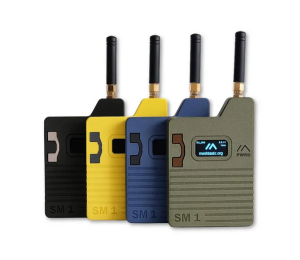
Gadgets: Meshtastic Node

Gadgets: Flipper One
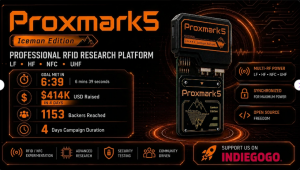
Gadgets: Proxmark5: Professional RFID Research Platform for Researchers